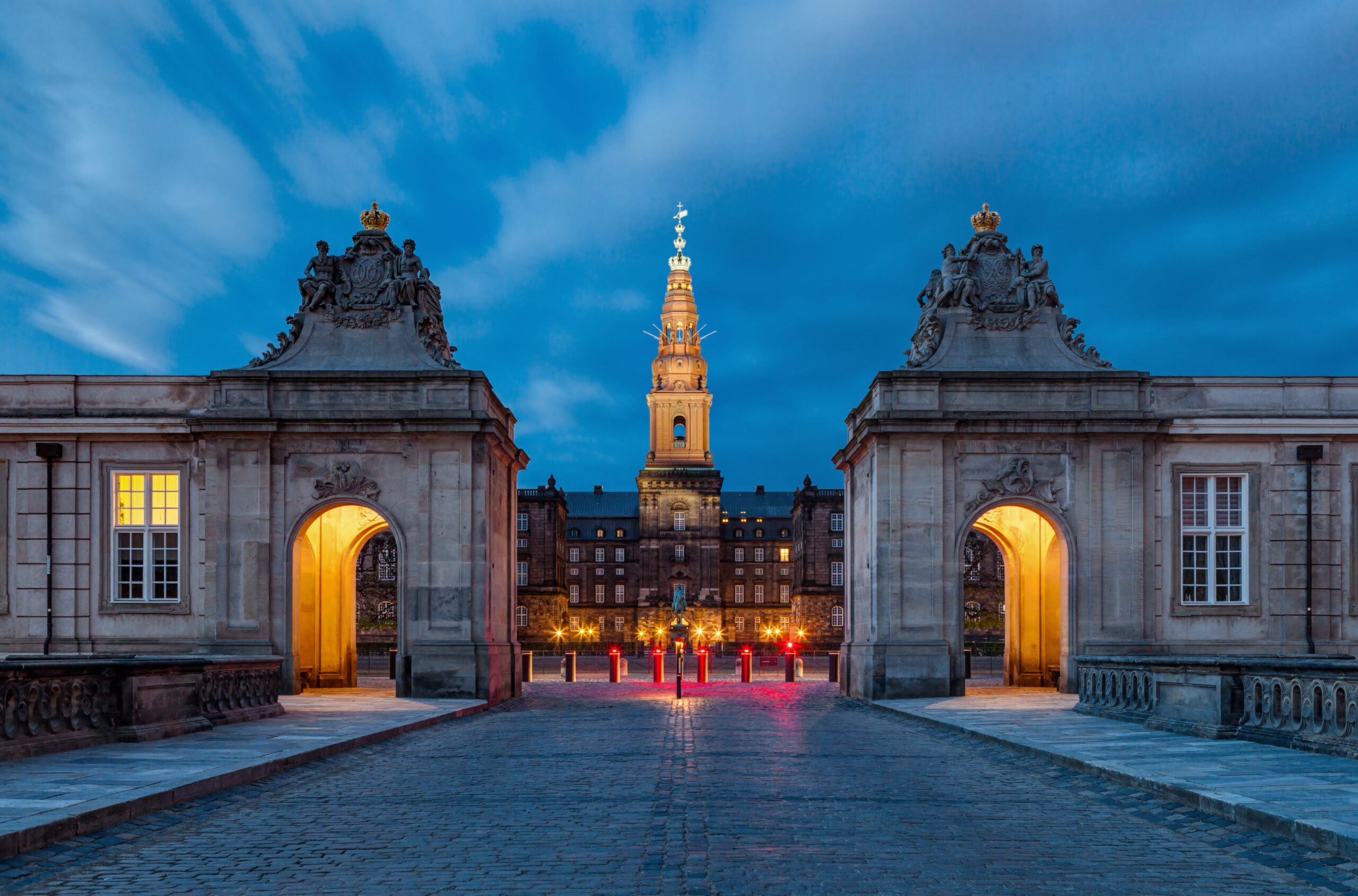
Approach Copenhagen through bike culture, smart meal timing, and neighborhood choice so one of Europe's pricier capitals still feels accessible.
Why visit
Copenhagen is not a cheap destination, but it remains one of the most approachable Nordic capitals for independent travelers who plan well.
The city's strengths are less about checklist monument density and more about urban quality: cycling, harbor walking, design culture, and easy neighborhood living.
Budget control in Copenhagen comes from the basics: lunch instead of dinner splurges, cycling instead of constant transport, and choosing a district that matches how you actually travel.
Best neighborhoods
Norrebro
One of the strongest bases for independent travelers who want art, food culture, and a more local version of the city.
- Budget: Hostels 50-100 EUR, hotels higher
Vesterbro
A good balance of central access, nightlife, and bohemian energy without being quite as polished as the harbor core.
- Budget: Mixed, often mid-to-high
Christianshavn
Historic canal-side character with strong access to both classic Copenhagen views and alternative community routes.
- Budget: Usually mid-to-high
Frederiksberg
A calmer and more residential base if you want a softer city tempo and are happy to trade a little immediacy for comfort.
- Budget: Mixed
Top things to do
Nyhavn and harbor routes
A classic orientation walk and one of the easiest ways to understand the city visually without spending.
Typical cost: Free
Tivoli Gardens
A selective paid highlight if you want one polished, distinctly Copenhagen experience.
Typical cost: ~20 EUR
Christiania
Best approached as a culturally distinct walking route rather than a superficial photo stop.
Typical cost: Free
National Museum
A strong indoor anchor if you want to add deeper context to a design-and-harbor trip.
Typical cost: Varies, free windows possible
Bike routes and waterfront wandering
Arguably the most authentic way to experience Copenhagen day to day.
Typical cost: Low-cost rental
Food and local value
Smorrebrod lunches
A better value way to try classic Danish food than turning every evening into a full restaurant commitment.
Market halls and stalls
One of the easiest ways to keep meals flexible in an otherwise pricey city.
Hot dog carts and simple street food
Useful low-cost fillers between cycling, museums, and harbor routes.
Cafe breakfasts
Enjoyable but worth spacing out if you want the trip budget to stay sane in Denmark.
Getting around
- Cycling is the real transport system to build around if you are physically comfortable with it. It changes both cost and city experience.
- Metro and transit passes are useful, but much of the city becomes more enjoyable when treated as a bike-first destination.
- If cycling is not your thing, cluster days by neighborhood to reduce cumulative transport spend.
Budget tips
- Use lunch as the main sit-down meal and keep dinner lighter.
- Rent a bike if possible. It improves both cost efficiency and city feel.
- Do not force too many premium-ticket attractions into one short trip.
- Stay outside the most polished harbor-core accommodation zones if budget is tight.
- Treat Copenhagen as a quality-of-life city, not a monument checklist city.
Plan your trip
- Day 1: Nyhavn, harbor route, central orientation
- Day 2: Bike day through Norrebro and Vesterbro
- Day 3: Tivoli or museum day plus Christianshavn
- Recommended length: 2-4 days
More destinations

Berlin, Germany
Use Berlin’s neighborhood culture, public transport, and low-friction food scene to build a city break that feels open-ended without losing budget control.
London, United Kingdom
Plan a London trip around free museums, strong transit strategy, and neighborhoods that keep costs lower without cutting you off from the city.

Paris, France
See Paris through neighborhoods, lunch-value strategy, and free or lower-cost culture so the city feels rich without demanding luxury-hotel spending.
Related guides
Berlin Travel Guide: Where to Stay, What to See & Budget Tips
Explore Berlin's creative scene, street art, and nightlife on a budget. Our guide covers neighborhoods, museums, food & transport.
London Travel Guide: Where to Stay, What to See & Budget Tips
London on a budget: free museums, street food, cheap neighborhoods. Your guide to authentic London without luxury prices.
Paris Travel Guide: Where to Stay, What to See & Budget Tips
Paris on a budget: free Louvre entry, Le Marais, Latin Quarter, street food. Your guide to affordable Paris living.