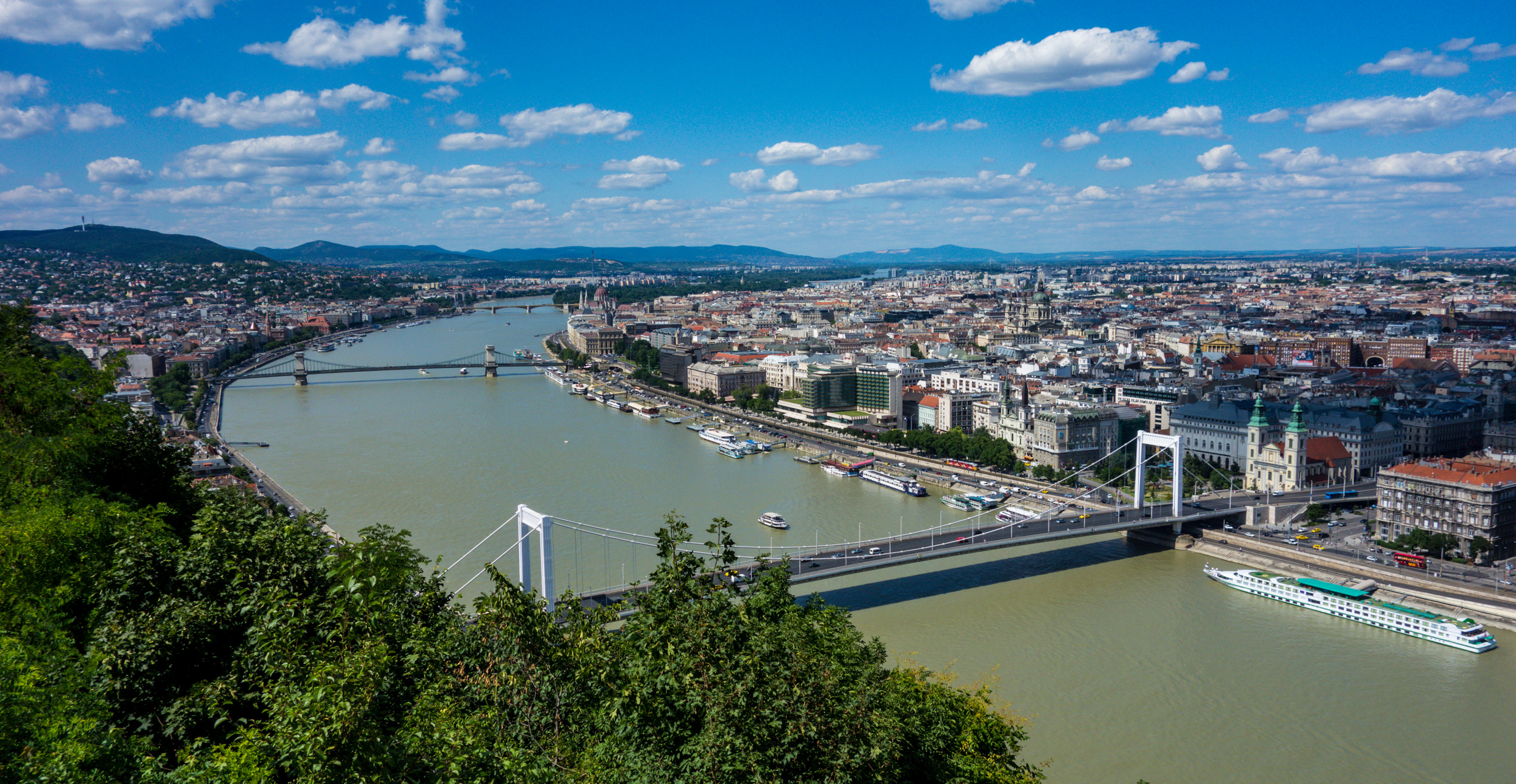
Use Budapest’s Danube split, thermal-bath culture, and high-value neighborhoods to build one of Europe’s most rewarding budget city breaks.
Why visit
Budapest offers one of the strongest aesthetics-to-cost ratios in Europe. Grand architecture, river views, nightlife, and food all land at a lower spend level than many comparable capitals.
The city's split between Buda and Pest creates a useful planning rhythm: scenic and historical high-ground routes on one side, busier food and nightlife energy on the other.
For budget-conscious travelers, Budapest is flexible. You can do iconic bath culture and still keep accommodation, food, and transport within a very manageable range.
Best neighborhoods
District VII (Jewish Quarter)
The strongest base for nightlife, ruin bars, food access, and walkable central energy.
- Budget: Hostels 20-40 EUR, hotels moderate
Buda Castle district
More scenic and historic, with stronger view-led appeal than daily value for food and nightlife.
- Budget: Varies higher by location
District IX
A less obvious but useful value district if you want room to breathe and good transport access.
- Budget: Often better value than the central core
Margaret Island / nearby zones
Useful if green space and a calmer pace matter more than nightlife-first positioning.
- Budget: Mixed
Top things to do
Szechenyi Thermal Baths
The city's most iconic paid experience and a good example of Budapest feeling special without feeling unattainable.
Typical cost: ~18 EUR
Fisherman's Bastion and Buda views
One of the best scenic payoffs in the city and easy to combine with castle-area walking.
Typical cost: Views largely free
Parliament area
Best treated as a riverfront architecture and photography route even if you skip the interior tour.
Typical cost: Exterior free, tours paid
Danube sunset routes
A simple way to turn the city's biggest visual asset into a low-cost highlight.
Typical cost: Free or low-cost cruise options
Ruin bars
Useful as both nightlife and a distinct cultural experience rather than just a party add-on.
Typical cost: Low entry / drink-led
Food and local value
Ruin bar food and casual meals
An easy way to combine nightlife and lower-cost eating in the Jewish Quarter.
Central Market Hall
Good for cheap eats, snacks, and seeing the city's food culture without a formal dining commitment.
Langos and quick Hungarian snacks
One of the best value-to-local-experience food categories in Budapest.
Goulash and hearty mains
Still affordable by capital-city standards, especially if eaten outside the most tourist-directed streets.
Getting around
- Budapest has an easy-to-use public transport system that makes Buda/Pest crossover simple and affordable.
- Walking works well within district clusters, but the river split makes transport useful enough to matter.
- Use public transport strategically and save long scenic walks for riverfront, bridges, and evening routes.
Budget tips
- Treat one thermal-bath visit as the signature splurge and build other days around free or low-cost routes.
- Stay in or near District VII if you want the best mix of value and energy.
- Use the market halls and casual snack culture to keep food spending flexible.
- Do Danube-facing walking at sunset instead of paying for multiple premium viewpoint experiences.
- Budapest usually rewards staying an extra night rather than rushing through the capital highlights.
Plan your trip
- Day 1: District VII, market halls, and ruin bars
- Day 2: Buda Castle side and scenic viewpoints
- Day 3: Thermal baths and Danube evening route
- Day 4: Parliament area and slower neighborhood exploration
- Recommended length: 3-5 days
More destinations
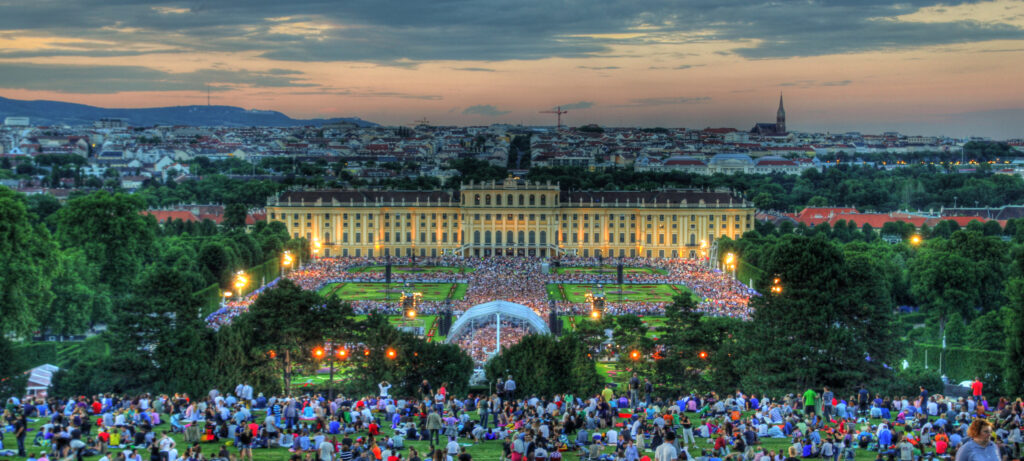
Vienna, Austria
Balance Vienna's imperial landmarks with lower-cost neighborhoods, market meals, and free cultural texture so the city feels elegant without becoming financially heavy.
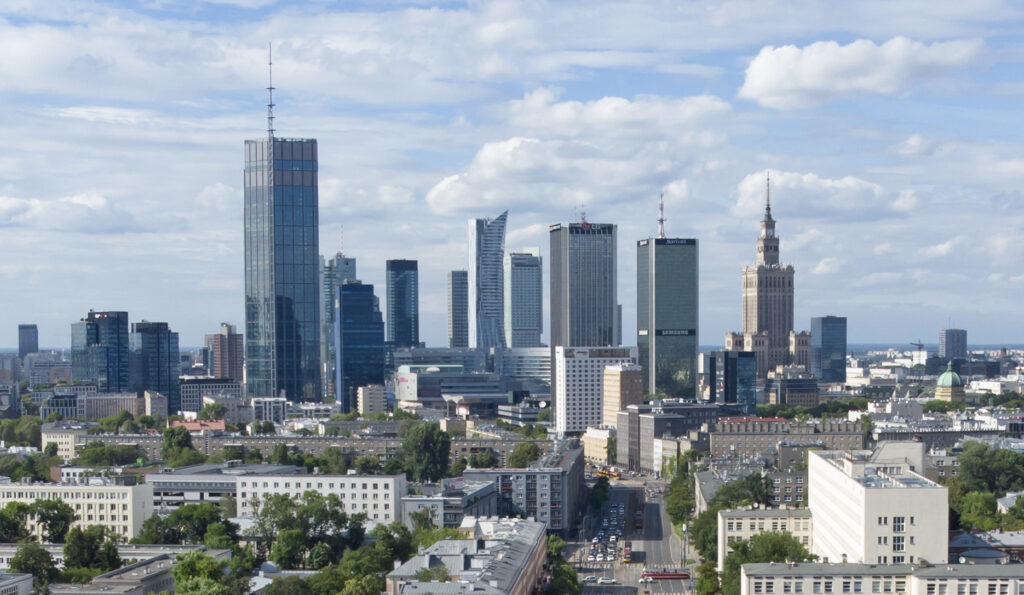
Warsaw, Poland
Explore Warsaw's rebuilt Old Town, creative river districts, and value-focused neighborhoods with a stay plan that fits both history lovers and budget-minded city travelers.
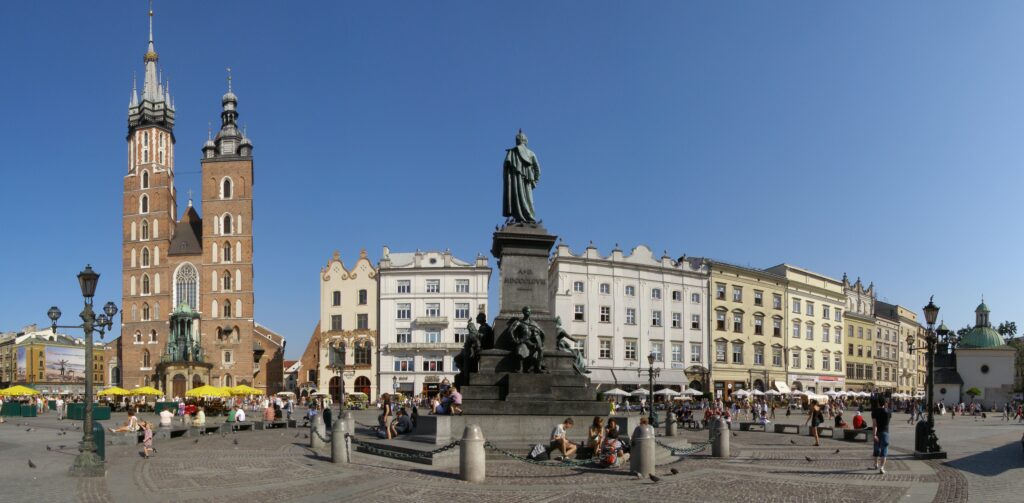
Krakow, Poland
Discover Krakow through its medieval core, Jewish heritage, salt-mine day trips, and strong-value neighborhoods that keep the city accessible for longer stays.
Related guides
Vienna Travel Guide: Where to Stay, What to See & Budget Tips
Vienna travel on a budget: Schonbrunn, classical concerts, coffee houses, and neighborhoods. Austria's elegant capital guide.
Warsaw Travel Guide: Where to Stay, What to See & Budget Tips
Explore Warsaw on a budget. Our guide covers neighborhoods, attractions, local food, and the best budget hotels in Poland's capital.
Krakow Travel Guide: Where to Stay, What to See & Budget Tips
Discover Krakow's medieval charm and Jewish history on a budget. Find neighborhoods, museums, and affordable accommodations.