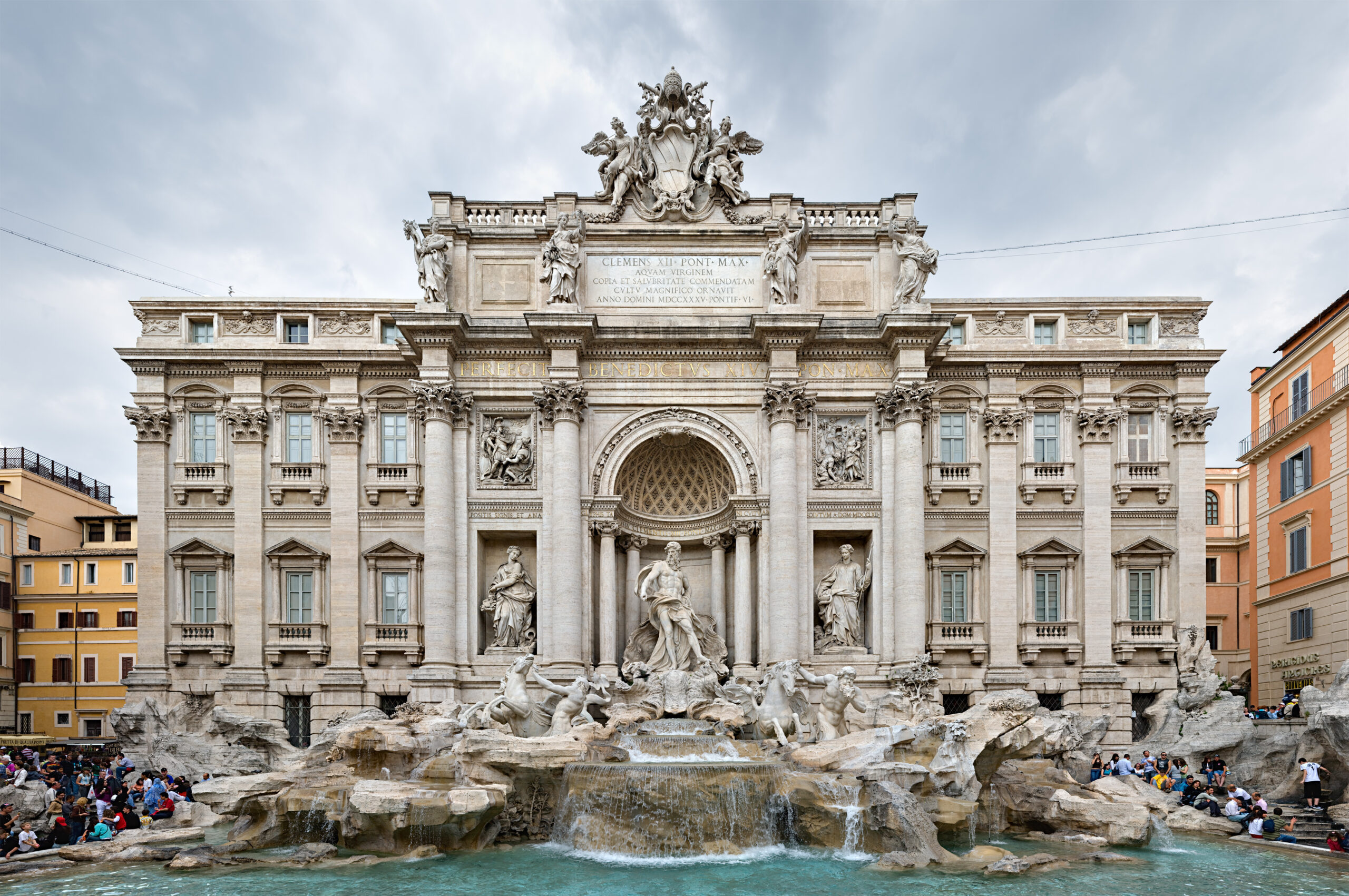
Build a Rome itinerary around smart district choice, street-level food, and selective ticketing so the city feels epic without becoming financially chaotic.
Why visit
Rome is one of Europe's most concentrated history cities, but it works best when you accept that not every iconic site needs to happen on the same day.
The city can feel overwhelming and expensive if you stay in the most tourist-saturated corridors. Better neighborhood choice changes the whole trip.
Rome rewards simple daily planning: one major history anchor, one food-led neighborhood block, and plenty of walking between them.
Best neighborhoods
Trastevere
Bohemian and riverside with strong evening energy, but best chosen carefully if nightlife noise is a concern.
- Budget: Mixed, often mid-range
Testaccio
One of the strongest options for authentic food culture and less tourist-first pacing.
- Budget: Often better value than the center
Monti
A stylish but still practical base near several key sights, useful when you want design, bars, and convenience together.
- Budget: Mid-range city pricing
Centro Storico
The most historical and convenient option, but usually the easiest place to overspend.
- Budget: Higher central pricing
Top things to do
Pantheon
One of the highest-value historical stops in the city and easy to combine with surrounding walking routes.
Typical cost: Free or low-cost access conditions
Colosseum and Roman Forum
A central history anchor that deserves time, not a rushed photo stop.
Typical cost: Paid entry
Vatican Museums
Best reserved for travelers who want one concentrated museum-heavy half day.
Typical cost: Paid entry
Trastevere walking
A strong way to make Rome feel lived-in rather than purely monumental.
Typical cost: Free
Markets and neighborhood squares
Useful for spacing out the big-ticket sites and seeing how everyday Rome works.
Typical cost: Free
Food and local value
Pizza al taglio
One of the easiest low-cost daily meal strategies in Rome, especially near transit-heavy days.
Suppli and street snacks
Cheap, local, and useful when full sit-down meals would overcomplicate the day.
Trattorias in non-tourist zones
Better value and more authentic pacing if you stay away from the most famous central restaurant clusters.
Markets
Helpful for produce, snacks, and lower-cost lunch options, especially in Testaccio.
Getting around
- Rome is walk-heavy and often best experienced that way, but heat and fatigue make occasional transit planning necessary.
- Buses and day passes are useful, but central congestion means walking often remains competitive.
- Base selection matters more than chasing the absolute cheapest room if the location creates daily transport friction.
Budget tips
- Limit yourself to one major ticketed historical site per day.
- Stay in a neighborhood with food value rather than paying to sleep beside the biggest landmarks.
- Use takeaway pizza, markets, and simpler lunches to contain food costs.
- Build in slower piazza and neighborhood time instead of trying to clear Rome like a museum list.
- Travel early or late around peak heat if visiting in warmer months.
Plan your trip
- Day 1: Pantheon, Centro Storico, evening in Trastevere
- Day 2: Colosseum and Roman Forum
- Day 3: Vatican or museum-heavy day
- Day 4: Testaccio and neighborhood food routes
- Recommended length: 3-5 days
More destinations
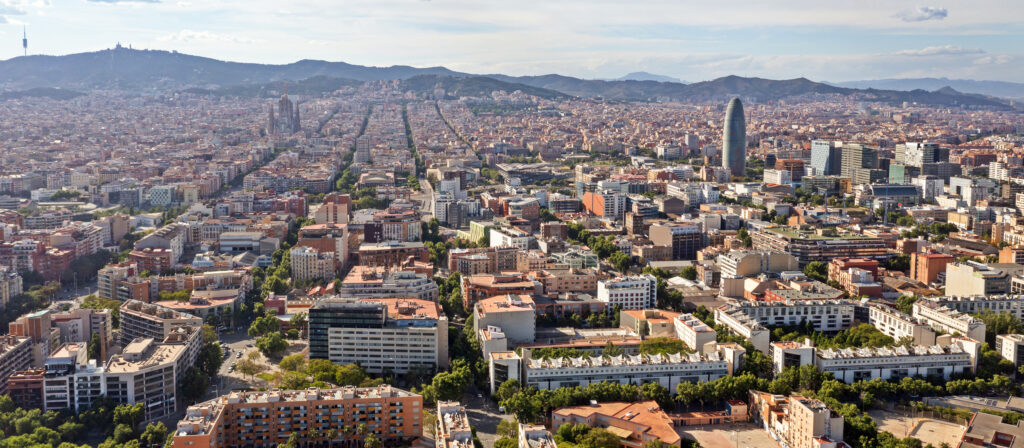
Barcelona, Spain
Plan Barcelona around neighborhood choice, market eating, and a balanced mix of Gaudi highlights, beach time, and local district energy.

Paris, France
See Paris through neighborhoods, lunch-value strategy, and free or lower-cost culture so the city feels rich without demanding luxury-hotel spending.
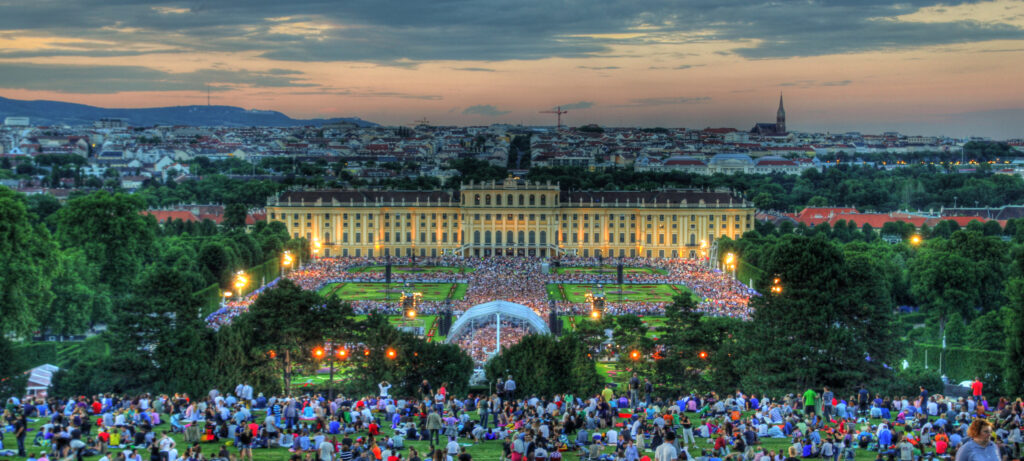
Vienna, Austria
Balance Vienna's imperial landmarks with lower-cost neighborhoods, market meals, and free cultural texture so the city feels elegant without becoming financially heavy.
Related guides
Barcelona Travel Guide: Where to Stay, What to See & Budget Tips
Barcelona travel guide: Park Guell, Gothic Quarter, beaches, tapas bars. Explore Catalonia's capital on a budget.
Paris Travel Guide: Where to Stay, What to See & Budget Tips
Paris on a budget: free Louvre entry, Le Marais, Latin Quarter, street food. Your guide to affordable Paris living.
Vienna Travel Guide: Where to Stay, What to See & Budget Tips
Vienna travel on a budget: Schonbrunn, classical concerts, coffee houses, and neighborhoods. Austria's elegant capital guide.