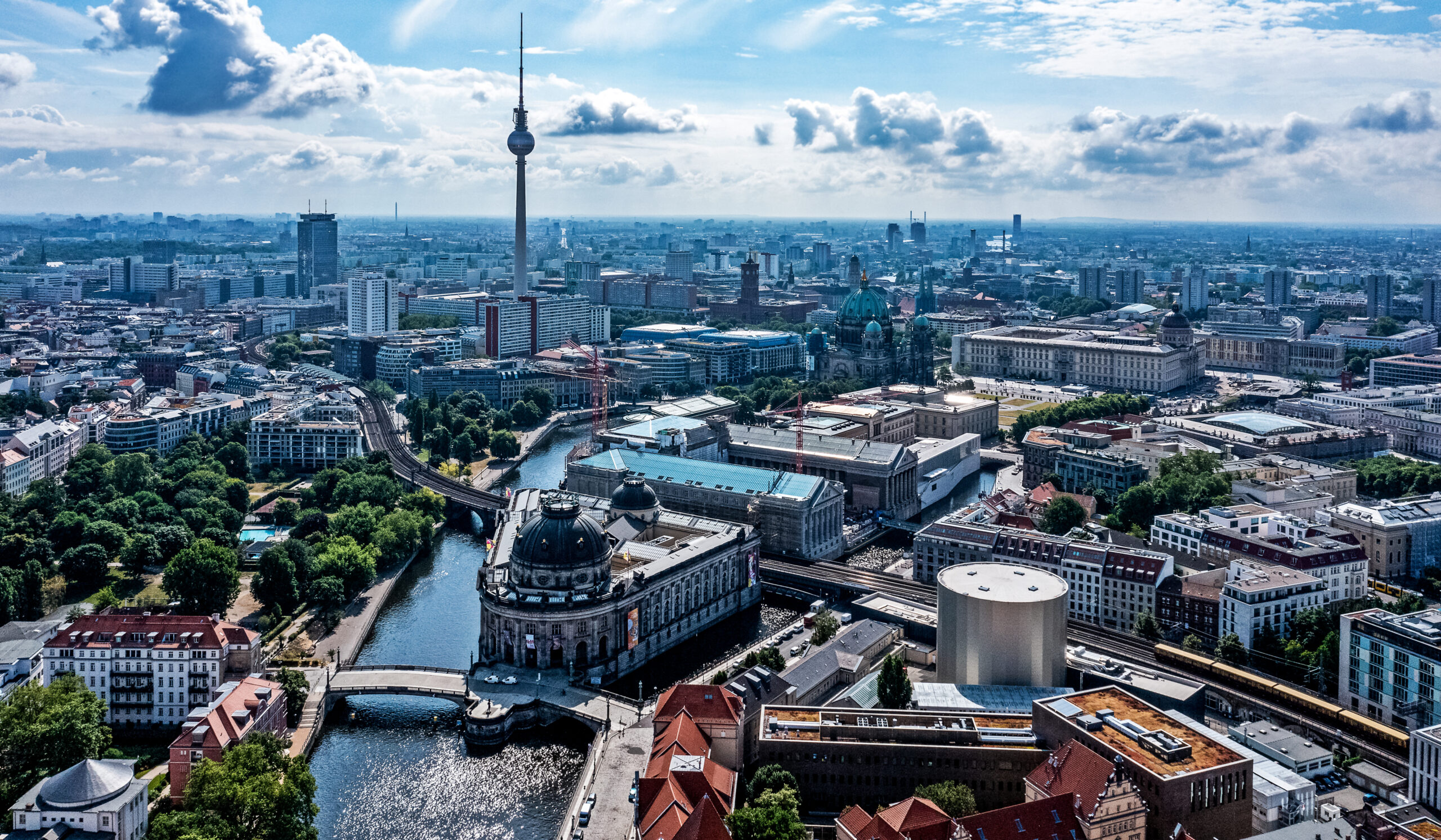
Use Berlin’s neighborhood culture, public transport, and low-friction food scene to build a city break that feels open-ended without losing budget control.
Why visit
Berlin is one of Europe's strongest cities for travelers who care about neighborhood texture as much as monuments. The city rewards wandering, district-hopping, and balancing history with creative culture.
Compared with many capitals, Berlin remains forgiving for budget-conscious travelers thanks to relatively affordable transport, cheaper food than London or Paris, and a strong hostel culture.
The key planning choice is the district. Staying in Mitte optimizes convenience, while Kreuzberg, Friedrichshain, and Prenzlauer Berg shape very different versions of the Berlin experience.
Best neighborhoods
Mitte
The easiest base for historical highlights and museum access, but usually less atmospheric than the neighborhoods where Berlin culture actually breathes.
- Budget: Hostels 35-60 EUR, hotels 100-180 EUR
Kreuzberg
Street-level Berlin with food culture, bars, art, and stronger local energy than the center.
- Budget: Hostels 20-40 EUR, hotels 70-130 EUR
Friedrichshain
Post-industrial creative character with clubs, street art, and easy access to East Side Gallery routes.
- Budget: Hostels 20-45 EUR, hotels 70-140 EUR
Prenzlauer Berg
A softer, cafe-heavy, design-forward base that works well if you want Berlin without the rawest edges.
- Budget: Hostels 30-55 EUR, hotels 90-160 EUR
Top things to do
East Side Gallery
A city-defining open-air stretch of Wall history and one of Berlin's best-value essentials.
Typical cost: Free
Museum Island
The best high-density museum cluster in the city and worth planning as a dedicated culture day.
Typical cost: Per museum or pass
Reichstag and Brandenburg Gate
A classic political-history pairing that anchors a central Berlin route.
Typical cost: Exterior free, dome booking recommended
Holocaust Memorial
A necessary and powerful site that helps frame Berlin's historical gravity without adding cost.
Typical cost: Free
Mauerpark and neighborhood markets
Good for relaxed market culture, people-watching, and softening heavier history days.
Typical cost: Free
RAW-Gelande and district wandering
Useful if you want Berlin's cultural identity rather than just the main monuments.
Typical cost: Mostly free
Food and local value
Doner kebab and Turkish food
Still one of the strongest daily-value meal categories in Berlin, especially in Kreuzberg.
Falafel and Middle Eastern counters
A reliable cheap meal option across creative districts and transport-heavy days.
Street food and market halls
Market-driven eating works well in Berlin if you want variety without a full restaurant spend.
Currywurst and late-night basics
Useful as a low-cost, city-specific food stop rather than a destination meal.
Getting around
- Berlin's BVG network is one of the simplest ways to keep the city usable. U-Bahn, S-Bahn, and trams make district-hopping straightforward.
- Cycling is excellent if you want to see more city texture between neighborhoods rather than moving underground all day.
- For first-time visitors, a mix of transport and walking is usually better than trying to do everything as one giant pedestrian route.
Budget tips
- Choose one museum cluster day and one street-level neighborhood day to balance paid and free experiences.
- Stay outside Mitte if value matters more than monument adjacency.
- Use beer gardens, markets, and free walking routes to keep evenings interesting without constant ticketed spending.
- Berlin nightlife can eat the budget quickly. Pick your nights intentionally.
- Neighborhood choice shapes transport spend, so base yourself according to your actual travel style.
Plan your trip
- Day 1: Mitte, Reichstag, Brandenburg Gate, Holocaust Memorial
- Day 2: Museum Island and central wandering
- Day 3: Kreuzberg food and street art
- Day 4: Friedrichshain, East Side Gallery, nightlife or markets
- Day 5: Prenzlauer Berg or Potsdam extension
- Recommended length: 4-7 days
More destinations
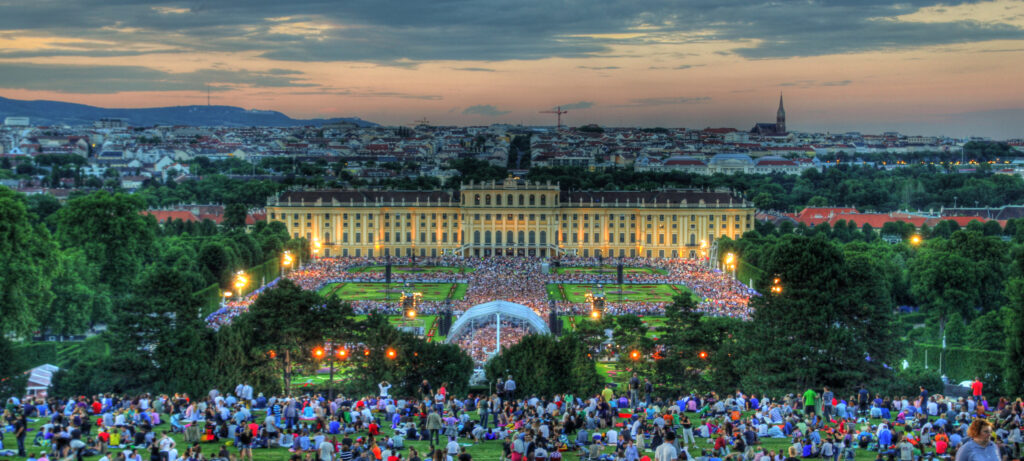
Vienna, Austria
Balance Vienna's imperial landmarks with lower-cost neighborhoods, market meals, and free cultural texture so the city feels elegant without becoming financially heavy.
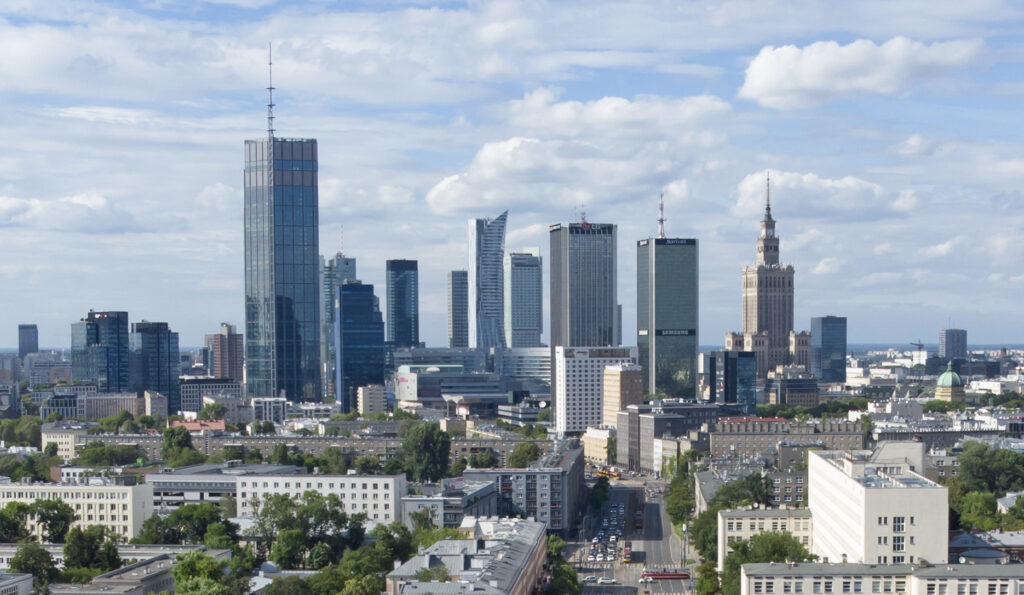
Warsaw, Poland
Explore Warsaw's rebuilt Old Town, creative river districts, and value-focused neighborhoods with a stay plan that fits both history lovers and budget-minded city travelers.
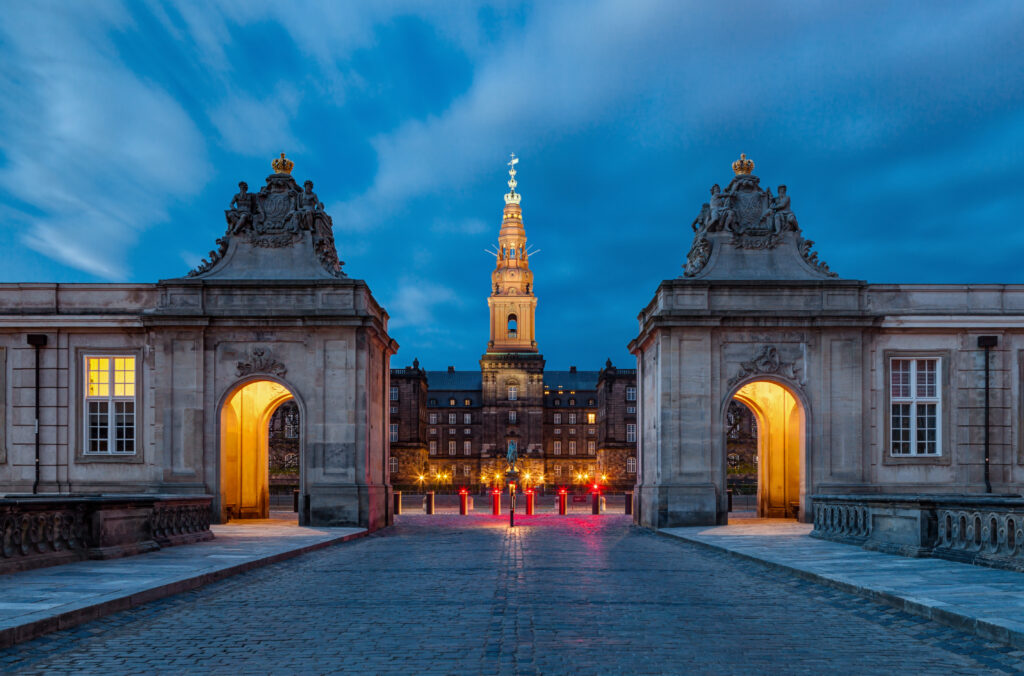
Copenhagen, Denmark
Approach Copenhagen through bike culture, smart meal timing, and neighborhood choice so one of Europe's pricier capitals still feels accessible.
Related guides
Vienna Travel Guide: Where to Stay, What to See & Budget Tips
Vienna travel on a budget: Schonbrunn, classical concerts, coffee houses, and neighborhoods. Austria's elegant capital guide.
Warsaw Travel Guide: Where to Stay, What to See & Budget Tips
Explore Warsaw on a budget. Our guide covers neighborhoods, attractions, local food, and the best budget hotels in Poland's capital.
Copenhagen Travel Guide: Where to Stay, What to See & Budget Tips
Copenhagen travel guide: Nyhavn, Tivoli, Christiania, cycling culture. Explore Scandinavia’s most accessible capital.