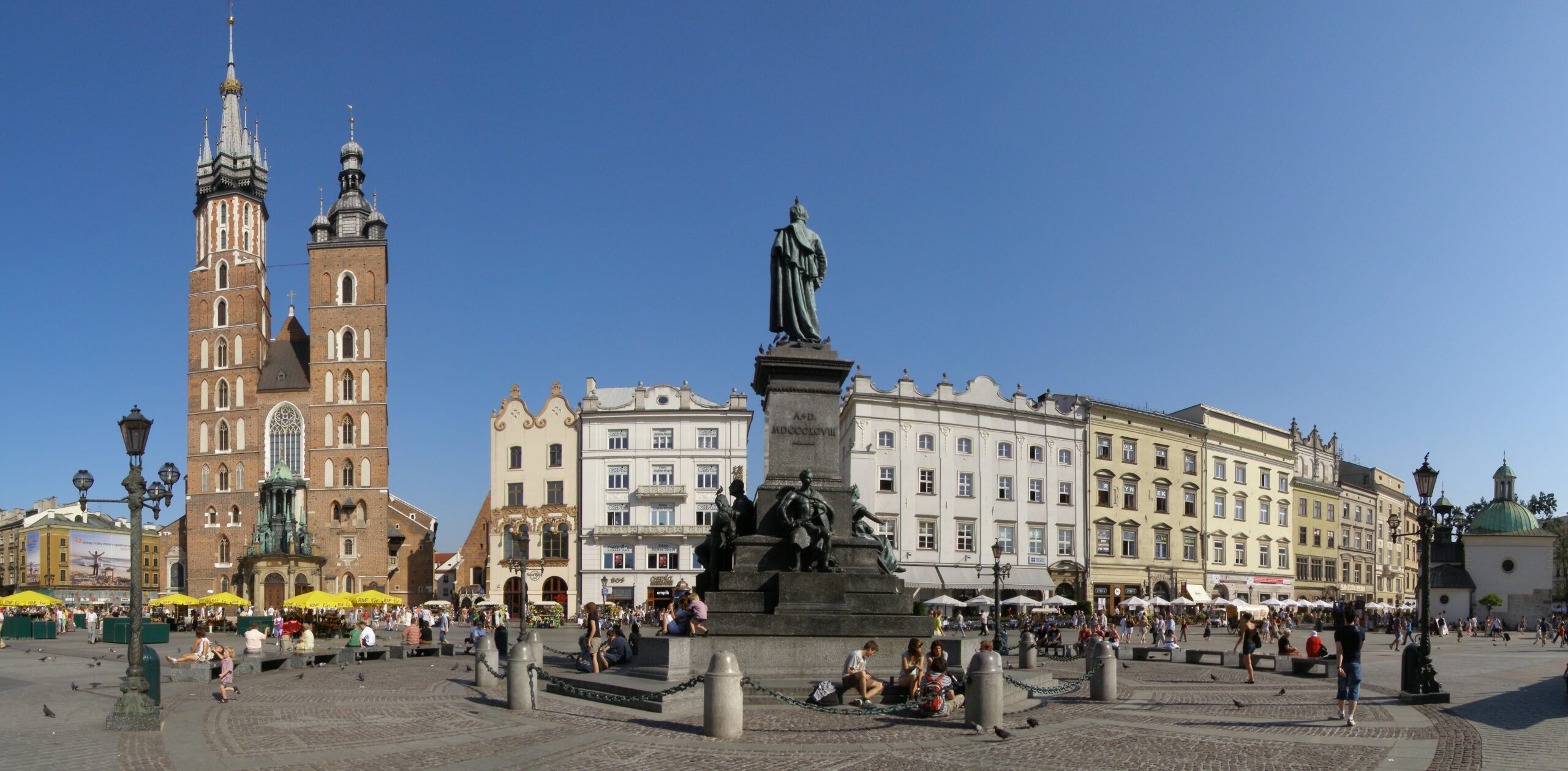
Discover Krakow through its medieval core, Jewish heritage, salt-mine day trips, and strong-value neighborhoods that keep the city accessible for longer stays.
Why visit
Krakow combines preserved medieval architecture, layered Jewish history, and one of the most approachable city scales in Europe. You can cover a lot on foot without spending heavily on transport.
It works especially well for travelers who want atmosphere, museums, nightlife, and easy food value in the same trip. Compared with many Western European city breaks, the cost-to-experience ratio remains strong.
Old Town gives you the headline moments, while Kazimierz, Podgorze, and selected outer districts shape the deeper city experience. That makes accommodation choice important if you want both atmosphere and value.
Best neighborhoods
Stare Miasto (Old Town)
The most scenic and central option, dominated by the market square, church views, and immediate access to the city's classic attractions.
- Budget: Hostels 40-60 PLN, hotels 180-280 PLN
Kazimierz
Historic Jewish quarter with a stronger cafe, bar, and gallery culture than the tourist core and one of the most balanced bases in the city.
- Budget: Hostels 30-50 PLN, hotels 140-200 PLN
Podgorze
A quieter, more local area across the river with solid value and easier access to a slower-paced version of Krakow.
- Budget: Hostels 25-40 PLN, hotels 100-150 PLN
Nowa Huta
An off-center district with socialist-era planning, cheaper accommodation, and a more niche urban-exploration feel.
- Budget: Accommodation 20-35 PLN
Top things to do
Wawel Castle
A must-see royal complex with a strong mix of architecture, collections, and city symbolism.
Typical cost: ~35 PLN
Main Market Square
The visual and social heart of Krakow, ideal for orientation, coffee stops, and first-day wandering.
Typical cost: Free
Wieliczka Salt Mine
A worthwhile half- or full-day extension if you want one major excursion beyond the immediate city core.
Typical cost: ~75 PLN
Kazimierz and Jewish Quarter museums
Essential for understanding the city's cultural depth and how historical memory shapes present-day Krakow.
Typical cost: Walking free, museums vary
Podgorze river routes
A good way to move beyond the postcard core and see how locals actually use the city.
Typical cost: Free
Food and local value
Milk bars
Strong budget value for everyday Polish meals without tourist packaging or premium pricing.
Plac Nowy and late-night food
A practical option for low-cost evening meals in or near Kazimierz.
Bakeries and pretzels
Reliable low-cost breakfasts and snack stops that work well between museums and walking routes.
Neighborhood sit-down dining
Kazimierz and Podgorze generally deliver better value and more atmosphere than the square-side tourist lanes.
Getting around
- Central Krakow is largely walkable, especially if you stay near Old Town or Kazimierz.
- Trams and buses are enough for longer connectors, outer districts, and day-to-day efficiency when the weather turns.
- A compact stay strategy matters more here than high transport spending. Pick the right base and most of the city becomes easy on foot.
Budget tips
- Use Kazimierz as a value/atmosphere compromise when Old Town prices feel too high.
- Schedule one paid highlight per day and fill the rest with free wandering, churches, and riverside routes.
- Treat lunch as the main paid meal if you want to keep nightly restaurant spend under control.
- If doing Wieliczka, build a lighter city day around it rather than overscheduling.
- Stay longer than two nights if you want Krakow to feel less like a checkbox stop.
Plan your trip
- Day 1: Main Market Square, Old Town, evening in Kazimierz
- Day 2: Wawel, river routes, Jewish Quarter museums
- Day 3: Podgorze and local neighborhood exploration
- Day 4: Wieliczka or a slower cafe-and-gallery day
- Recommended length: 3-5 days
More destinations
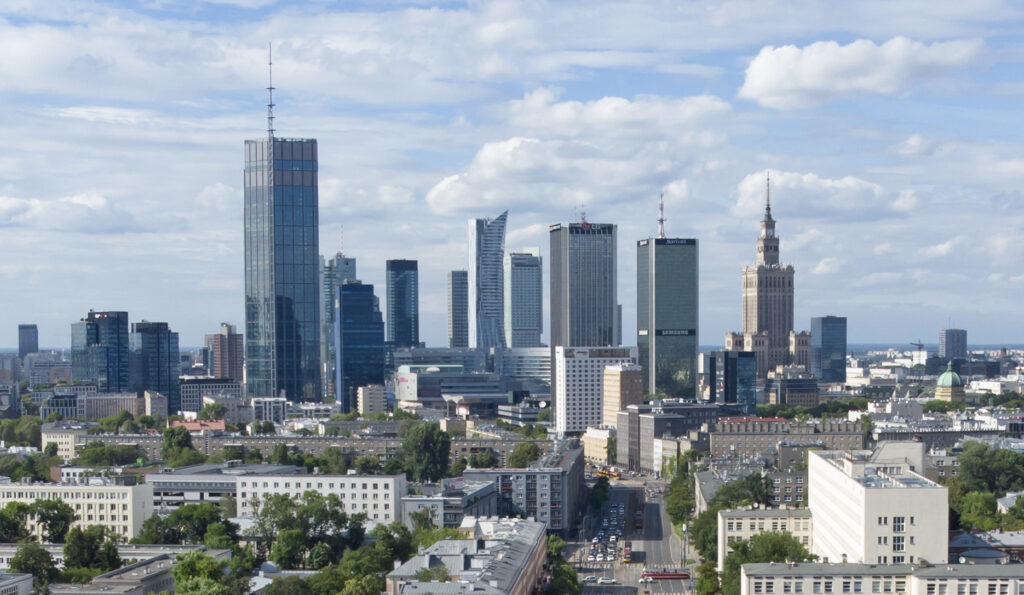
Warsaw, Poland
Explore Warsaw's rebuilt Old Town, creative river districts, and value-focused neighborhoods with a stay plan that fits both history lovers and budget-minded city travelers.
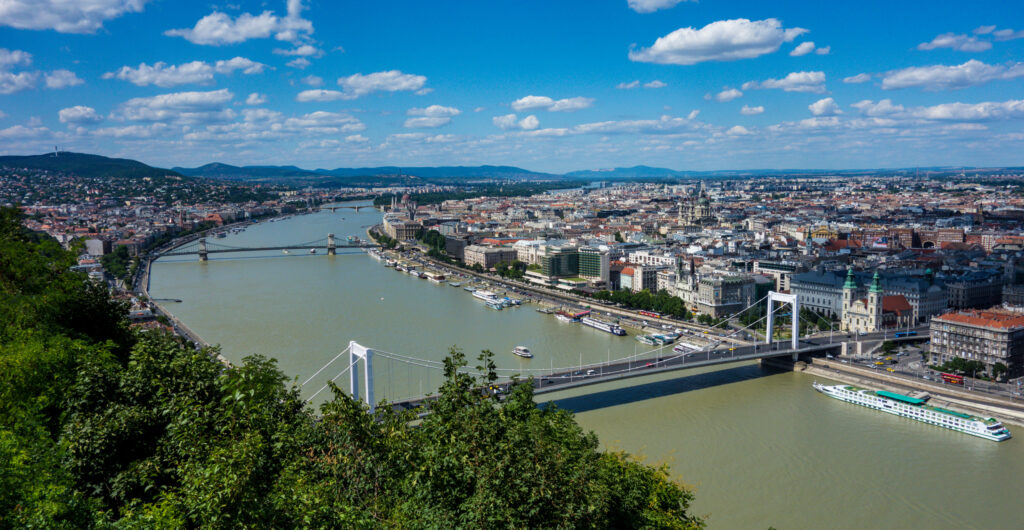
Budapest, Hungary
Use Budapest’s Danube split, thermal-bath culture, and high-value neighborhoods to build one of Europe’s most rewarding budget city breaks.
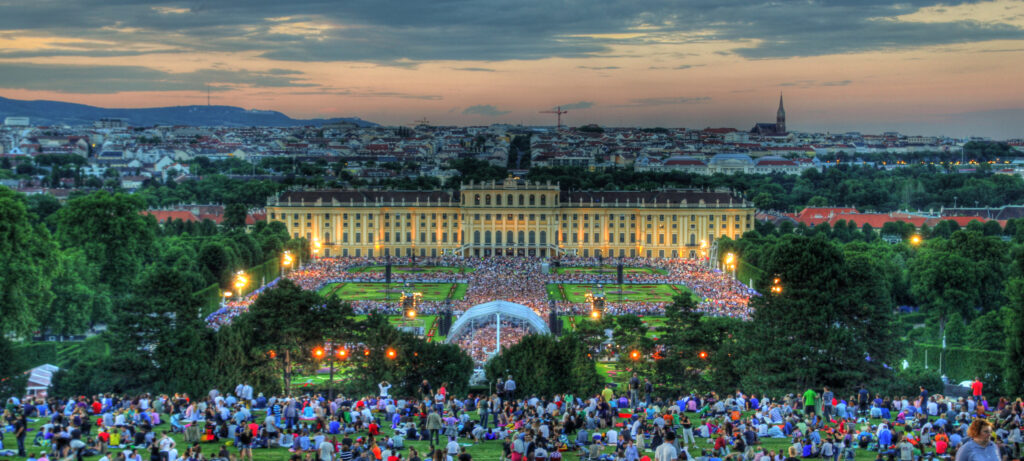
Vienna, Austria
Balance Vienna's imperial landmarks with lower-cost neighborhoods, market meals, and free cultural texture so the city feels elegant without becoming financially heavy.
Related guides
Warsaw Travel Guide: Where to Stay, What to See & Budget Tips
Explore Warsaw on a budget. Our guide covers neighborhoods, attractions, local food, and the best budget hotels in Poland's capital.
Budapest Travel Guide: Where to Stay, What to See & Budget Tips
Budapest travel guide: Szechenyi baths, ruin bars, Danube views. Affordable guide to Hungary’s beautiful capital.
Vienna Travel Guide: Where to Stay, What to See & Budget Tips
Vienna travel on a budget: Schonbrunn, classical concerts, coffee houses, and neighborhoods. Austria's elegant capital guide.